A product with hidden mechanics
Detection systems, internal components, materials and processes that a lens can't reach. We build the model around the real product, then animate the parts that only make sense once you can see inside them.
For ideas that are hard to film, or things that don't exist yet. CGI product visualisation, technical processes, mechanisms, packaging, character work and product launches.
Some things can’t be filmed. The mechanism is inside a sealed unit, the process happens at a scale a camera can’t show, the product hasn’t been manufactured yet. That’s where animation earns its place, not as a stylistic choice but because it’s the only honest way to show what’s actually happening.
The work usually starts the same way a live-action brief does: understanding what needs to be understood, then choosing 2D, 3D, or a mix, based on what the idea needs rather than what looks impressive. A close match to the real product matters more than a flashy render.
Detection systems, internal components, materials and processes that a lens can't reach. We build the model around the real product, then animate the parts that only make sense once you can see inside them.
Family Services, evolving product ranges, technical propositions with more than one moving part. The animation carries the explanation that a script alone couldn't.
Launch animation, versioned for future products or markets without a full rebuild each time. Built to be extended, not just delivered once.
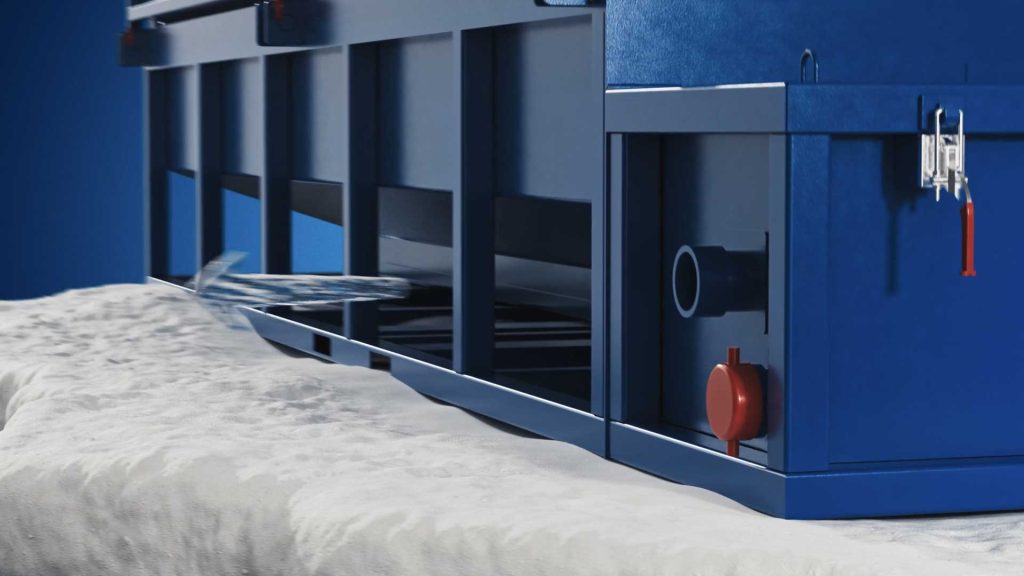
Forest Group’s product range keeps moving, so the original 3D explainer could not be treated as a one-off film. When we first built the animation, we created it around a modular structure. It still needed to feel like one polished piece, with proper flow, pacing, music and visual consistency, but it also needed to be […]
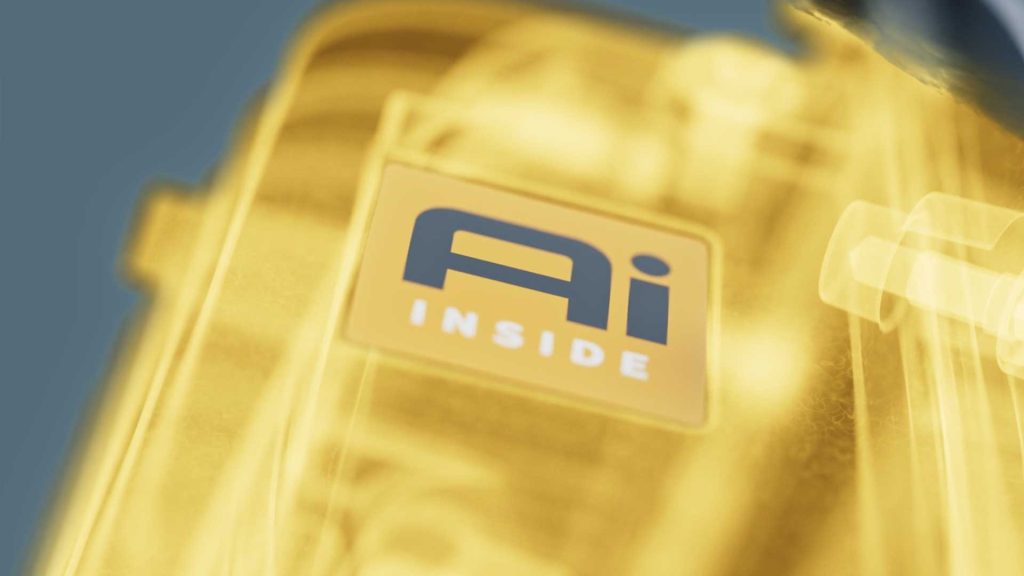
AGD Systems needed a short product film for the AGD650, an AI-powered traffic detection product designed for a market moving beyond traditional loop detection. The job was not just to show the unit. It was to help people understand what the product can detect, how it is used, and why that matters in real traffic […]

Gloucestershire County Council Children’s Services needed an animation to help explain Families First, a two-year project looking at how support for families could work better across the county. The message was important, but it was not simple. The film needed to talk about difficult moments in family life, explain different routes of support, and invite […]
When the thing you need to show is too small, too large, too sensitive, or doesn't exist yet, an internal mechanism, a process at scale, a product still in development. If it can be filmed well and cheaply, we'll usually say so.
Both, chosen by what the brief needs. 2D suits flatter, faster explainers and brand systems; 3D suits products, materials and physical processes where depth and accuracy matter.
As closely as the brief needs. For technical products we work from CAD data, brand guidelines and, where useful, the physical object itself, to get materials, colour and scale right.
Yes, if that's planned for from the start. We build modular animations so a new addition can be dropped in without rebuilding the whole piece.
Longer than most live-action jobs, because of modelling, texturing and render time. A typical explainer runs from several weeks to a few months depending on complexity; we'll scope this properly once we've seen the brief.